Getting out of a “take it or leave it” situation smoothly?
What can you do if you are confronted with a “take it or leave it” offer? Here is some important advice from Chris Voss, the man who learned to negotiate in a practical way at the FBI.
What can you do if you are confronted with a “take it or leave it” offer? Here is some important advice from Chris Voss, the man who learned to negotiate in a practical way at the FBI.
I’ve received a very interesting question: Can the EPC philosophy be applied to rehabilitation projects of, for example, a power plant? In this article, you will find my answers with the reasoning behind it.
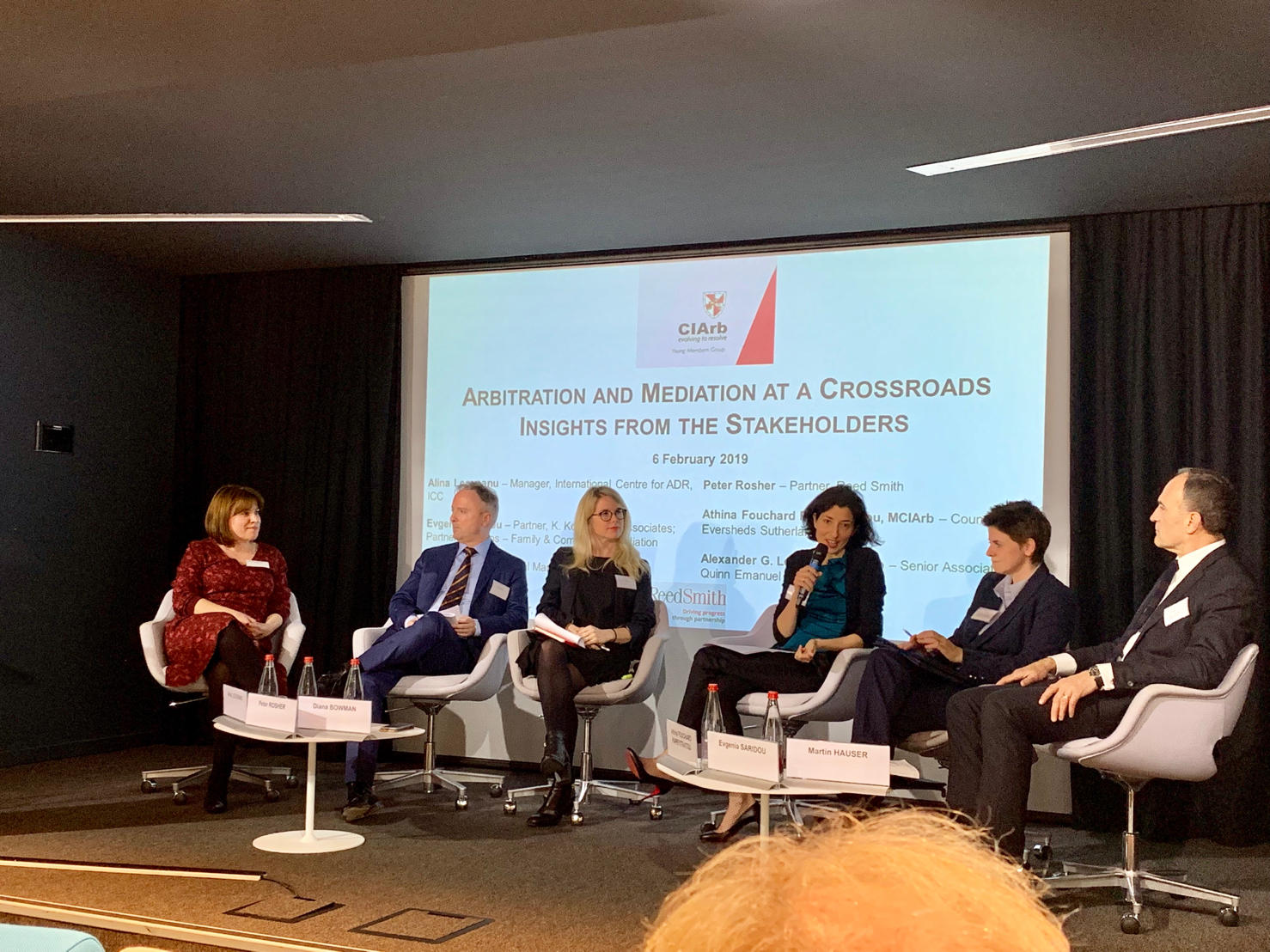
An event organized by the Young Members Group of CIArb named “Arbitration & Mediation at a Crossroads” enabled us to reflect on the positioning of mediation within the spectrum of dispute resolution methods.
Negotiators may fall in a “pleading mode” when doing their commercial negotiations. Lawyers may not see their pleadings in court or in front of a tribunal as negotiations. By making a parallel between pleadings and negotiation in this article, both negotiators and lawyers can learn and improve.
A post to reflect about how we sometimes stop learning. It is targeted to people dealing with contracts in the project business. But in fact, it applies to all of us.
AfiTaC wishes all the readers of its blog on Commercial & Contractual issues the best for 2019!
This post includes some of our intentions for this year.

Often, there is confusion between the roles, responsibilities and day-to-day functioning of a Joint Venture versus a Consortium. This post looks deeper into the reasons why and when to use either and their differences.

Six months ago, we had published a first situation concerning the interest in the blog on contracts, “Afitac.com”. Now, curious to see how this blog has developed?
Now that we are all on holidays or just coming back is the good time to do a relaxed but critical self-assessment of our competences as Commercial or Contract Managers.
This article analyses whether companies of the same group can participate to and compete against each other in the same public tender and what are the consequences and best practices.